
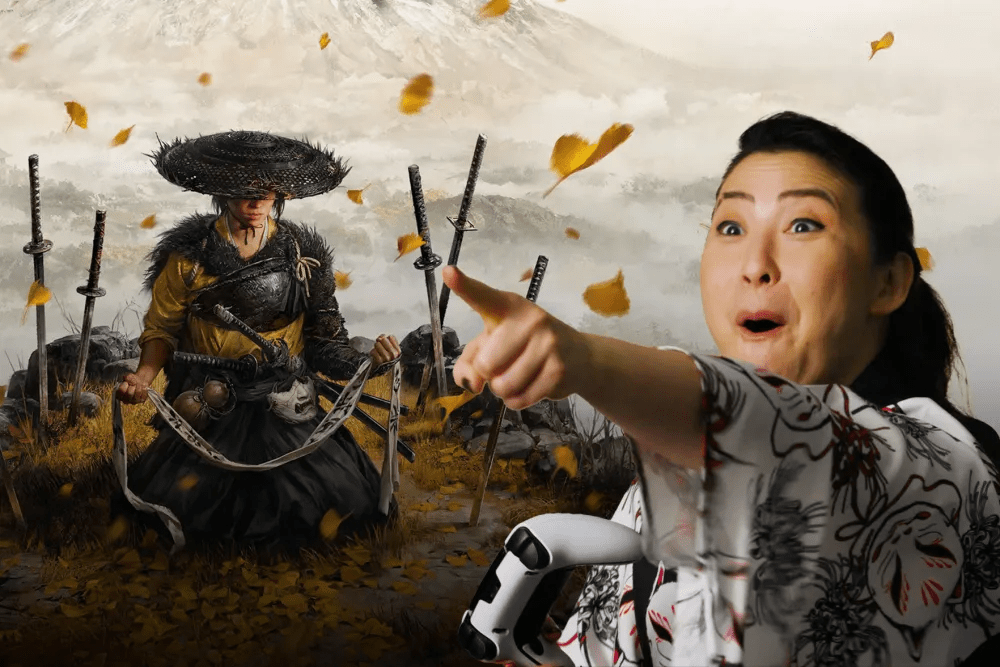
Few games nail the simple thrill of crossing names off a list quite like Ghost of Yōtei. From the opening moments you grab the DualSense touchpad and scratch out the names of the six men who destroyed everything Atsu held dear. That small act sets the tone for the entire journey. Every hunt feels personal. Every kill carries weight. After dozens of hours carving through Hokkaido’s wild beauty, one thing stands clear: this sequel takes what worked in Ghost of Tsushima and sharpens it into something even more addictive.
The story follows a classic path of vengeance. Atsu lost her family to the Yōtei Six, and now she wants them dead. Predictable? Sometimes. Yet the execution stays razor-focused. Flashbacks drop you straight into her pain through short, playable sequences that flow without breaking immersion. You feel why she needs this revenge, not just wants it. Some targets slip away at the last second for story reasons, which can frustrate, but the emotional payoff when the blade finally lands hits hard.
Atsu herself keeps you invested. She drinks too much sake, speaks bluntly, and never apologizes for her rage. Her growth feels earned as she meets new allies and uncovers pieces of her past. Moments like the hunt for the Kitsune bring genuine tears. You root for her because the game makes her pain real.
A Fresh Setting Without Losing the Soul

Sucker Punch wisely jumps centuries ahead for this sequel. No need to drag Jin Sakai’s story forward. Instead, Ezo’s untamed frontier offers a new canvas while keeping the samurai aesthetic intact. The result feels like a natural evolution rather than a reboot.
You still guide yourself with wind, follow foxes and birds to hidden rewards, and switch stances on the fly during combat. These familiar systems return polished and responsive. The world looks breathtaking, so the lack of minimap clutter becomes even more welcome.
Why the Time Jump Works So Well
- Frees the narrative from old character baggage
- Lets new mechanics shine without forced justification
- Opens fresh cultural and visual possibilities in Hokkaido
Immersion Boosters You Notice Immediately
The wind guide never fails to feel magical. Birds lead you to shrines packed with useful items. Every distraction pulls you deeper instead of annoying you.
Combat That Never Gets Old
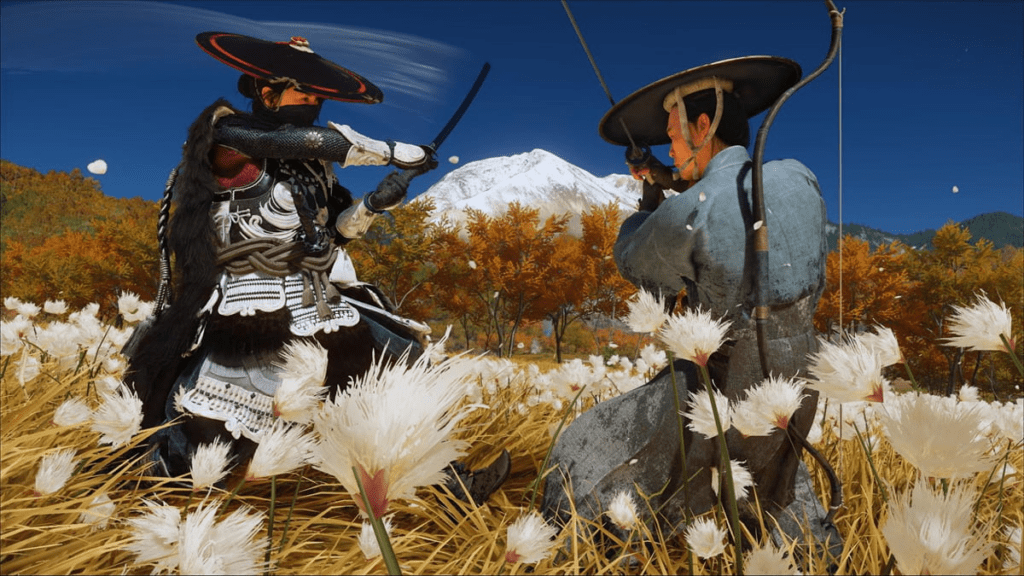
Fighting in Ghost of Yōtei feels like a deadly dance. You chain light and heavy attacks, parry incoming strikes, and swap weapons instantly without pausing. Each stance counters different enemy types, forcing constant adaptation.
Stealth options got a nice upgrade too. New tools let you create openings with smoke, distractions, or silent takedowns from above. The game rewards creativity over strict realism, so every approach stays fun.
Core Combat Pillars
- Perfect parries open devastating counters
- Stance switching keeps fights dynamic
- Ghost weapons add explosive variety
Ever wondered how satisfying it can feel to drop from a rooftop and finish a fight in seconds? Yōtei shows you again and again.
Exploration and Pacing Mastery
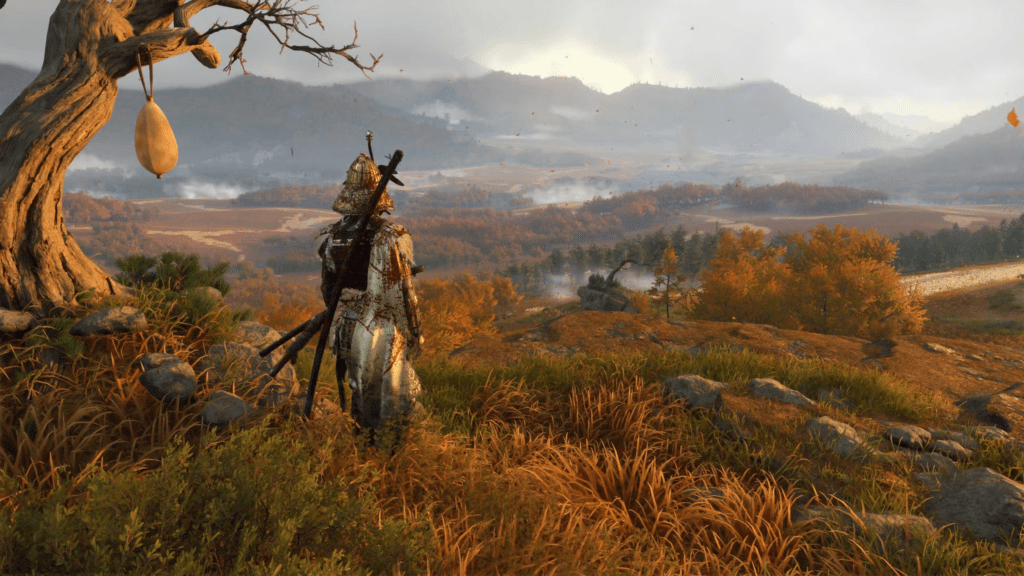
Ezo’s open world pulls you in every direction. Side stories branch off the main path constantly, each one short, meaningful, and tied to Atsu’s growth as an onryō. You chase bounties, help villagers, and stumble on forgotten camps. The golden path waits patiently while you get lost in the best way possible.
Load times disappear almost completely. Fast travel happens instantly. Turning in missions, upgrading gear, picking up new quests—all seamless. If you prefer slower travel for roleplay, vendors can visit your camp directly. Smart design that respects your time.
Side Content That Actually Matters
- Personal tales that deepen Atsu’s character
- Rewards that improve combat and stealth
- Discoveries that expand the world naturally
Environmental Variety at a Glance
| Region Type | Key Features | Gameplay Impact |
| Snowy Mountains | Blizzards, narrow paths | Reduced visibility, slippery footing |
| Dense Forests | Thick foliage, wildlife trails | Perfect for stealth ambushes |
| Coastal Villages | Open beaches, fishing spots | Easier ranged combat, merchant hubs |
| Volcanic Plains | Ash clouds, lava streams | Environmental hazards in fights |
These differences keep every ride across the map visually fresh.
Progression That Feels Rewarding
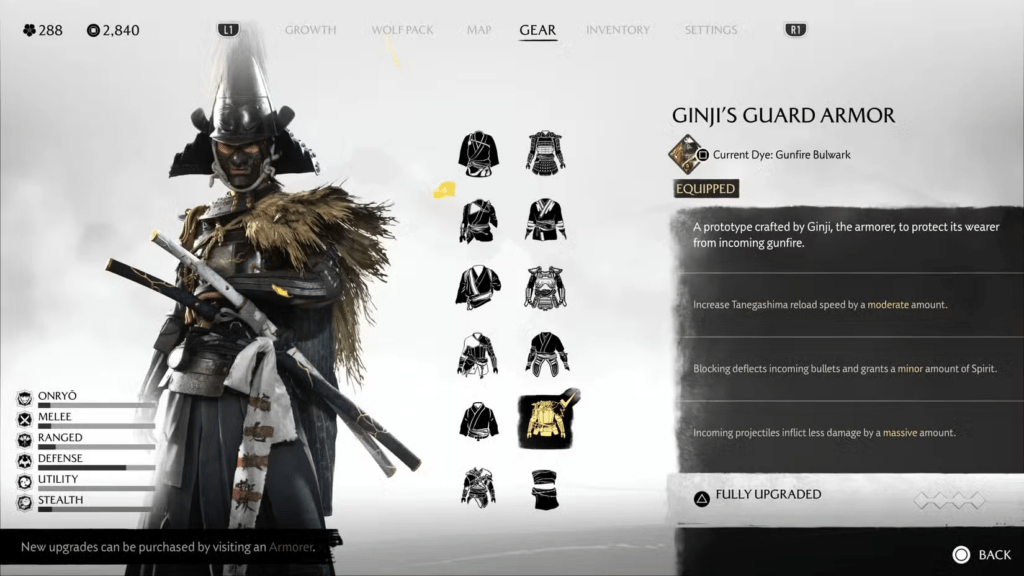
Upgrading Atsu happens through constant small wins. New armor sets, weapon modifications, and spirit boosts drop regularly. Drinking sake at camp restores your resolve meter, encouraging roleplay without punishment. Every choice makes you deadlier.
The hit list itself acts as the ultimate progression tracker. Watching names cross off brings a rush no other system quite matches.
Tech Marvels: Loading and DualSense Magic
Ghost of Yōtei pushes PS5 hardware to deliver blistering speed. Maps open in a blink. Fast travel feels like teleportation without the cheese. This keeps momentum high during long sessions.
The DualSense shines from minute one. Haptic feedback rumbles with every sword clash. Adaptive triggers resist during heavy draws, mimicking real tension. Writing the hit list on the touchpad? Pure genius. It turns a menu into a ritual.
Vendors summoning to camp adds flexibility. No tedious treks back to town. Roleplay stays intact while playtime shrinks.
DualSense Features Breakdown
- Touchpad for personal hit list scratches
- Triggers that fight back on bow pulls
- Vibrations syncing to fox footsteps or wind gusts
Visuals and Sound That Pull You In
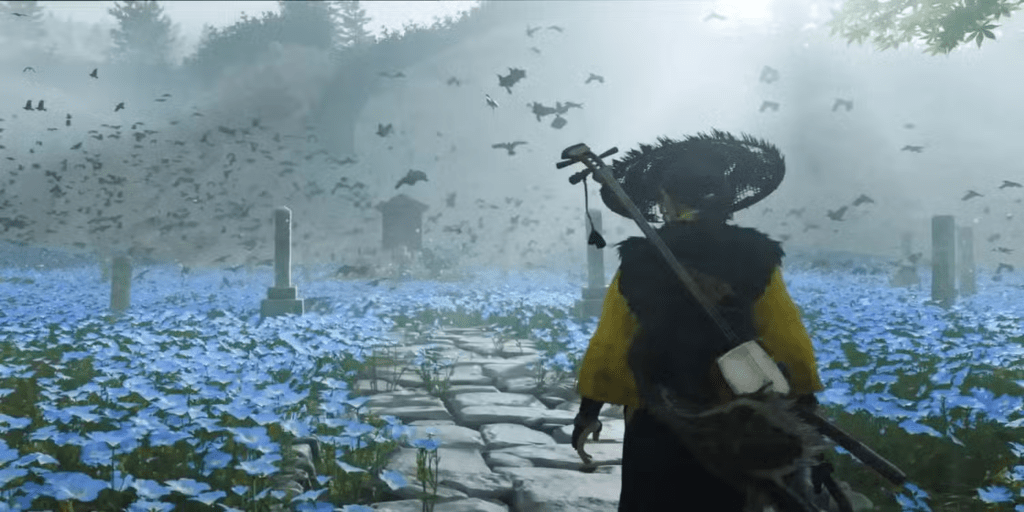
Ezo bursts with detail. Snow-capped peaks pierce skies. Forests teem with life under golden light. Every region shifts moods, from misty coasts to ash-choked plains.
Sound design elevates it all. Blades sing through air. Distant wolves howl. Atsu’s footsteps crunch uniquely on gravel or snow. Voice acting captures her raw edge perfectly.
Atmospheric Highlights
- Dynamic weather alters combat flow
- Wildlife audio guides hidden spots
- Seamless music swells during revenge kills
What makes a video game ghost like Atsu so haunting? The layered audio sells her restless spirit.
Narrative Depth and Emotional Hits
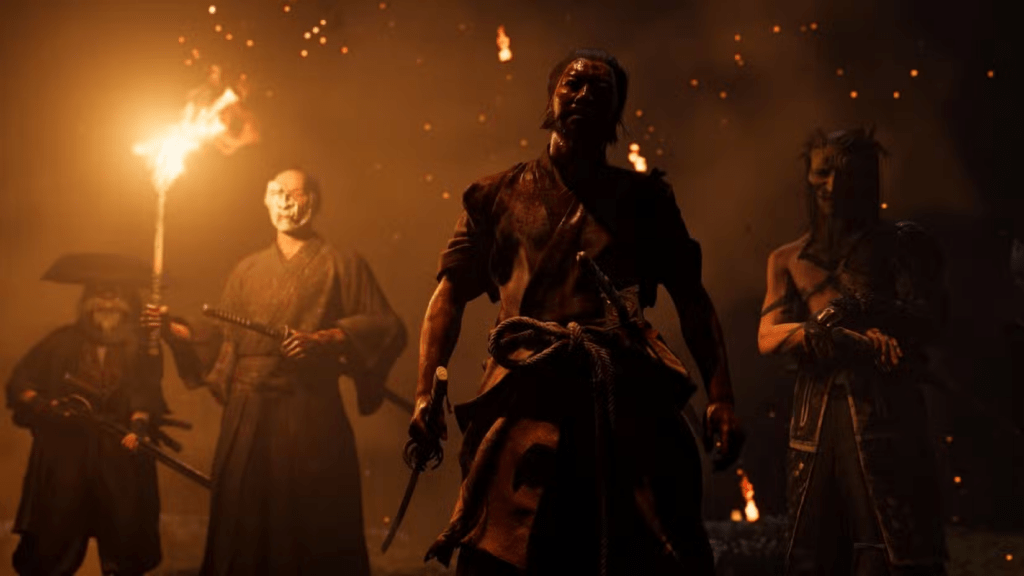
Revenge drives everything, but side tales flesh out the world. Each Yōtei Six member gets backstory through hunts. Flashbacks blend gameplay and memory effortlessly.
Atsu’s bonds—with her mother, fleeting allies—add heart. Her brashness cracks just enough to reveal vulnerability. You laugh at her quips, ache at her losses.
Targets escaping builds tension, though it tests patience. The finale delivers catharsis worth the wait.
Key Emotional Beats
- Kitsune hunt: Mother-daughter ties tear you up.
- Mid-game ally loss: Sharpens her isolation.
- Final cross-off: Pure, bloody triumph.
How It Stacks Against Tsushima
This sequel iterates smartly. Combat flows smoother. Exploration hooks harder with better distractions. Pacing nails the balance—no filler, all payoff.
No massive overhauls needed. Sucker Punch refined the formula, then poured heart into Atsu. Result? A tighter, more personal ride.
Ghost of Yōtei Review: The Verdict
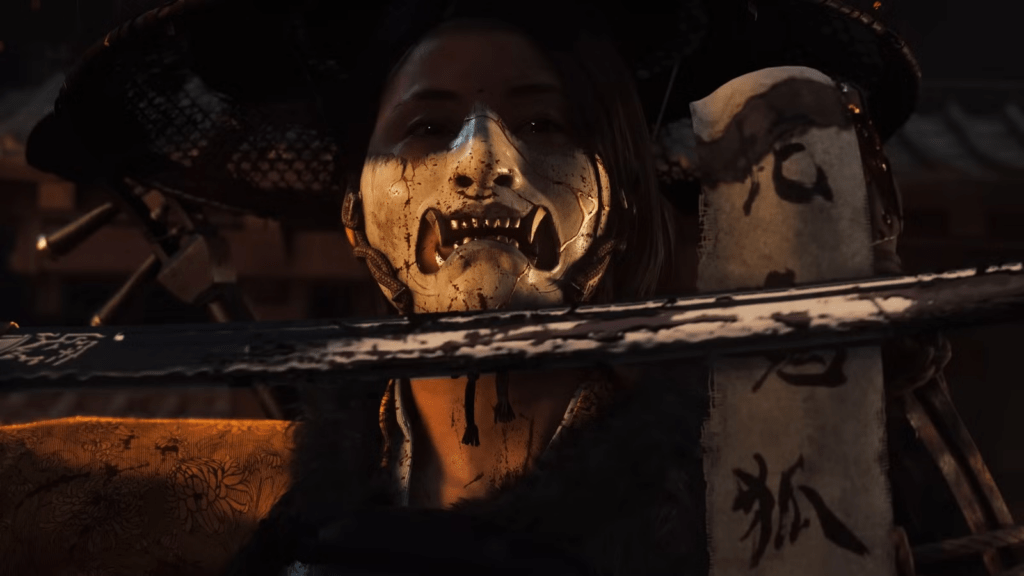
Ghost of Yōtei nails vengeance done right. Hit list hunts, fluid fights, and a world that begs exploration make it tough to quit. Atsu’s fire carries a story that hits home.
Minor gripes like contrived escapes don’t derail the fun. For samurai action fans, it’s essential. This video game ghost delivers thrills unbound.
Pros and Cons Snapshot
| Pros | Cons |
| Lightning-fast load times | Some targets escape often |
| Addictive hit list progression | Familiar revenge trope |
| Polished combat and stealth | PS5 exclusive for now |
| Stunning Ezo visuals | Light on reinvention |
| Emotional, character-driven |