
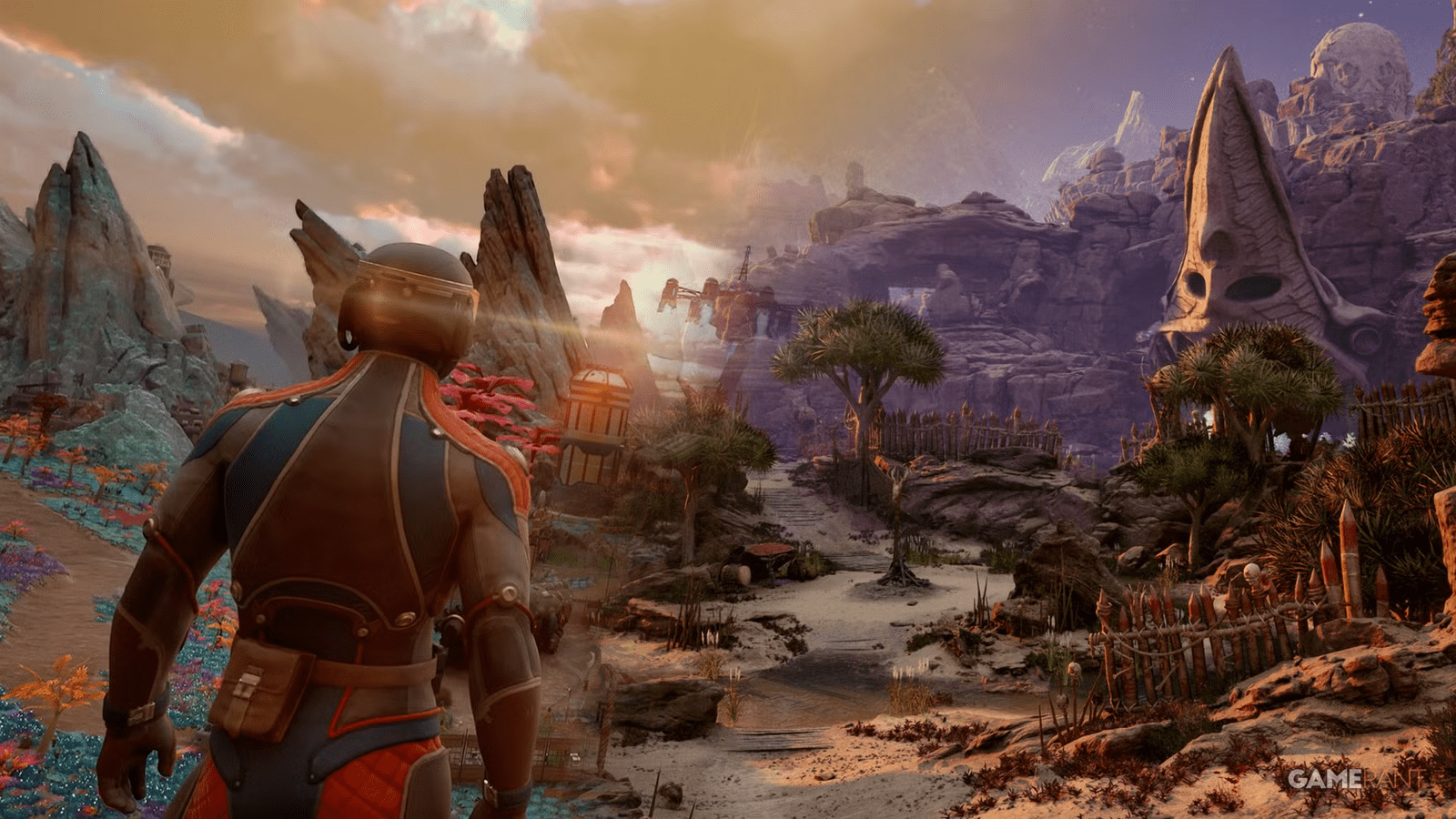
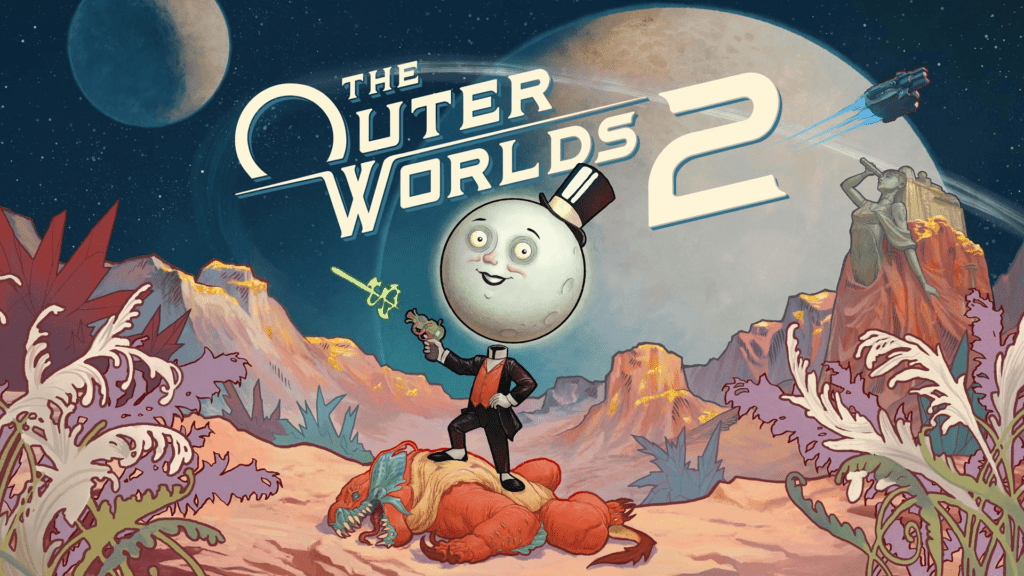
The Outer Worlds 2 builds on its predecessor’s foundation without reinventing the wheel, offering a richer galaxy filled with exploration, loot, and player-driven narratives. Obsidian Entertainment delivers an experience that’s familiar yet expanded, clocking in around 30 hours of main content packed with side quests that intertwine seamlessly with the core story. For those searching for an outer worlds 2 review, this sequel shines in its ability to let you influence outcomes in meaningful ways, from dialogue trees to combat strategies.
As a space-faring agent of the Earth Directorate, your journey kicks off with character creation that sets the tone for your adventure. Choose backgrounds that explain your recruitment, tweak appearances, and pick traits that subtly alter early gameplay. The prologue thrusts you into mysteries involving rifts and hidden motives, setting up a narrative that’s intriguing but resolves a bit too tidily. Still, the real magic lies in the paths you forge across planets and stations.
What makes this game stand out in any the outer worlds 2 ps5 discussion? Its blend of humor, sharp social commentary, and flexible mechanics. You’ll question capitalism’s grip on society and religion’s role in power structures, all while chuckling at absurd situations—like a corpse comically squashed by machinery during a quest that rewards jet boots.
Early on, landing on Eden’s Paradise Island reveals the game’s depth. Lush tropics contrast with corporate undercurrents, and every interaction feels layered. Obsidian’s writing keeps things light, even in dark moments, encouraging you to probe deeper into themes without feeling preached at.
Exploring the Vast Colony System
The worlds in The Outer Worlds 2 feel alive and expansive, each location bursting with secrets and side activities. From Eden’s beaches to industrial outposts, exploration rewards curiosity with hidden lore, unique items, and unexpected encounters. This sequel doubles down on variety, making every planet hop feel like a fresh chapter.
Side content isn’t filler—it’s integral. Quests range from collecting rare artifacts to mediating faction disputes, often revealing insights that affect main decisions. For instance, helping locals might expose a leader’s corruption, swaying your alliances later.
Why bother with these detours? They enrich your understanding of Arcadia’s fragile balance, turning abstract choices into personal stakes.
Combat Upgrades That Pack a Punch
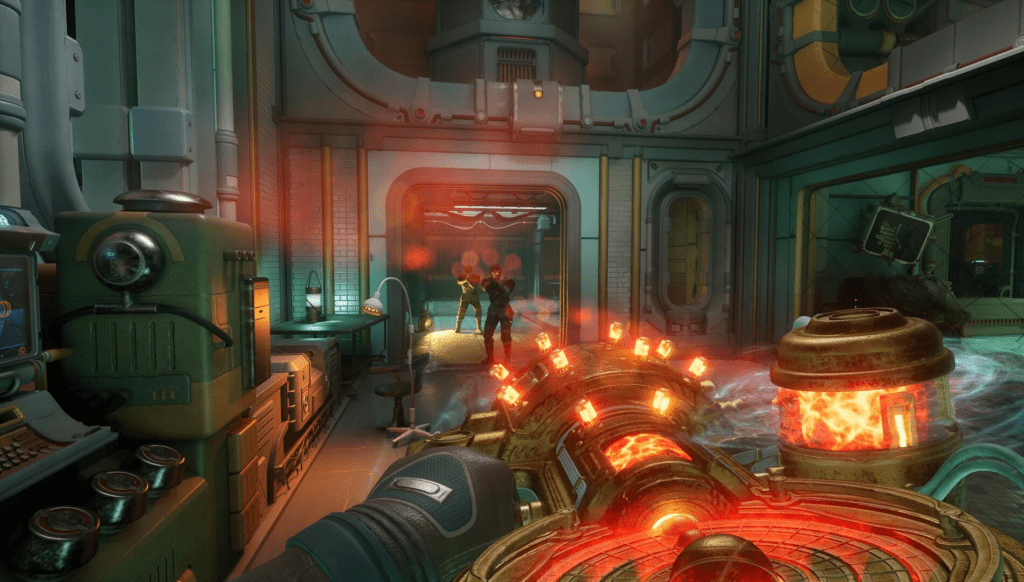
Gunplay has evolved dramatically since the first game. First-person shooting feels crisp and responsive, with options for third-person views if preferred. Weapons come in limited base types, but mods like plasma or shock variants add diversity, mimicking a broader arsenal.
Legendary and science weapons steal the show. Picture a machine gun that levels up with use, boosting damage and fire rate, or a rifle marking enemies for explosive finishes. Melee options get creative too—a sword turning fights into rhythm challenges, complete with triumphant animations after combos.
Enemies demand strategy. AI adapts, flanking and using cover, forcing you to rethink tactics mid-battle. Human foes coordinate, robots swarm methodically, and aliens exploit environments. Dying isn’t rare, but it pushes growth, like swapping grenades or timing companion abilities.
Companion Dynamics and Customization
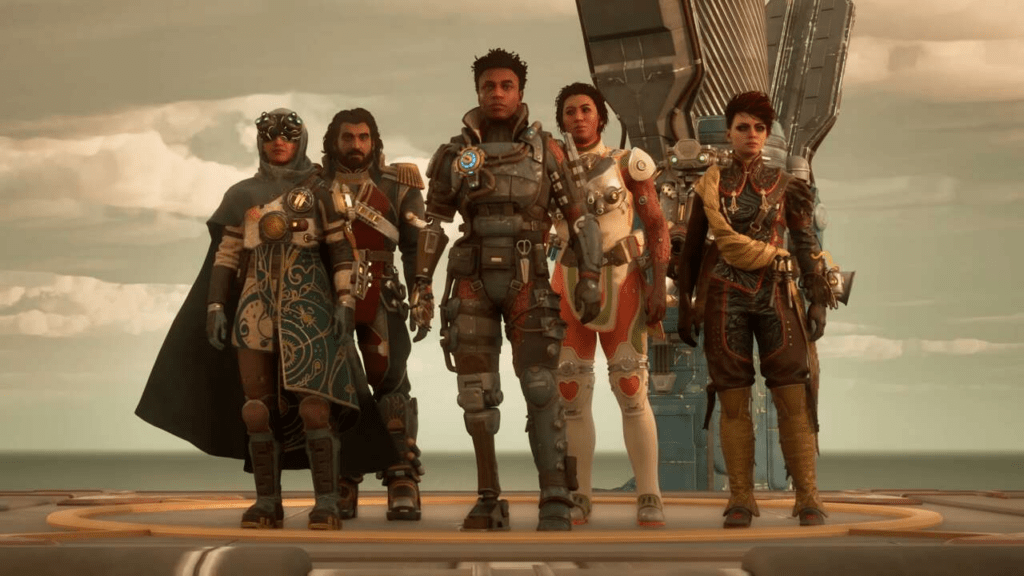
Your crew isn’t just backup—they’re key to success. Each companion brings unique skills, like aggro-drawing or fiery blasts, that complement your style. Quests deepen their backstories, unlocking mod kits that tweak roles, such as turning a sniper into a tank.
Building relationships pays off in combat and narrative. A nimble gunslinger hero pairs well with a sturdy ally for balance. Some quests arrive late, lessening impact, but all enhance team synergy.
Narrative Depth and Player Agency
The main story explores interstellar rifts and corporate intrigue, but it’s the player’s input that elevates it. Choices ripple outward, affecting endings without railroading. Obsidian excels at reflexivity—your actions feel observed and consequential.
Flaws return with flair, optional traits that poke fun at habits. Reload often? Get bigger magazines but penalties for emptying clips. These emerge throughout, even in finales, reinforcing that playstyle matters.
Have you ever skipped a boss via clever talk? Here, dialogue rivals combat in tension, making pacifist runs viable. Stealth lags a bit in fights but shines in scouting.
Tackling Social Themes Head-On
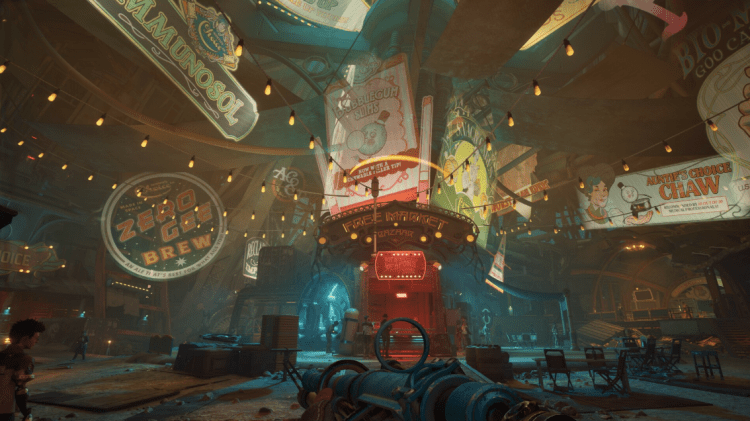
Beneath the comedy, critiques of capitalism hit hard. Executives exploit, managers buffer, and religion intertwines with markets. Questions arise: Can free markets exist without coercion? Obsidian poses them through gameplay, letting you respond via decisions.
This isn’t revolutionary, but it’s executed with wit, inviting varied interpretations based on your hero’s path.
Side Quests That Weave into the Main Tapestry
Standard quests vary wildly—humorous hunts for comics or serious aid for the oppressed. Many inform larger plots, like uncovering organizational flaws that influence treaty negotiations.
Companion arcs, while uneven in timing, reveal personalities and boost combat utility. Rewards like mod kits let you mold the team to fit gaps in your build.
Technical Performance and Visuals
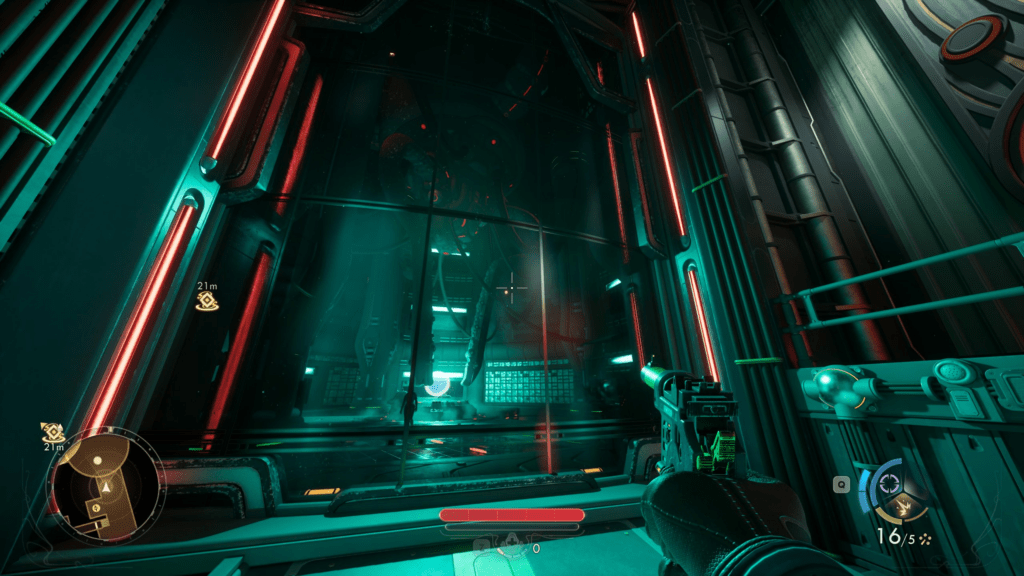
On PS5, The Outer Worlds 2 runs smoothly, hitting 60 FPS at 1620p or 40 FPS in 4K balanced mode. Bugs pop up occasionally, like inventory glitches or progression hitches requiring reloads, but they’re minor.
Art style pops with vibrant colors, contrasting biomes beautifully. The score feels sparse, but the radio fills gaps with ads, propaganda songs, and jazz nods to Fallout vibes. Some missions even stem from broadcasts, adding immersion.
Audio Elements Enhancing Immersion
The radio isn’t background noise—it’s interactive. Auntie’s Choice spots parody infomercials, while tunes propagandize factions. Jazz tracks evoke nostalgia, scratching itches for retro sci-fi fans.
This ties into exploration, as proximity alerts trigger pleas for help, blending audio with quests.
Weapon Variety and Modifications
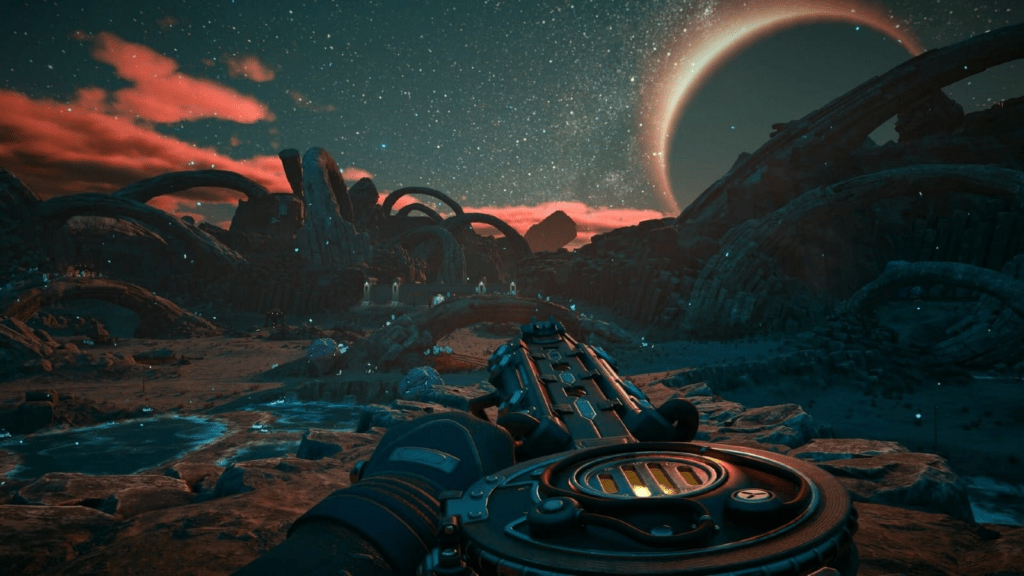
To highlight the arsenal’s depth, here’s a quick comparison of standout weapons:
| Weapon Type | Key Features | Best Use Case | Rarity |
| Moon Man Machine Gun | Levels up with kills, increases damage/speed | Sustained fire against groups | Legendary |
| Repeater Rifle | Applies doom markers on weak spots | Precision takedowns | Rare |
| Rainbow Sword | Turns melee into rhythm game with praise breaks | Close-quarters fun | Science |
| Plasma Variant Pistol | Adds energy damage, stuns foes | Crowd control | Common mod |
| Shock Hammer | Electrocutes on impact, chains to nearby | Anti-robot swarms | Uncommon |
| Flame Thrower Companion Ability | Explosive blast from Aza | Boss finishers | Companion-specific |
This table shows how mods and uniques keep combat fresh, encouraging experimentation.
Replayability That Keeps You Coming Back
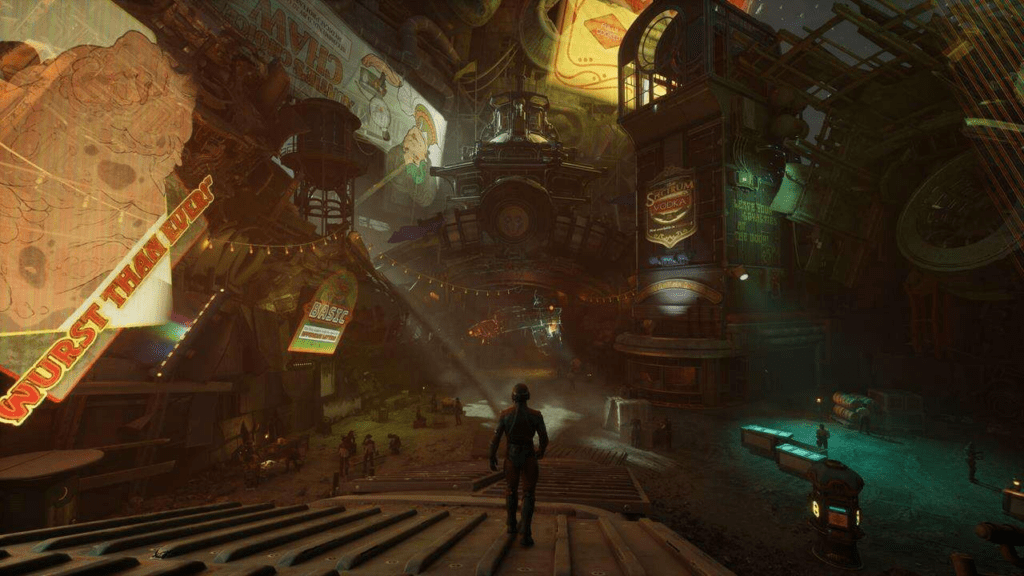
Multiple runs feel essential here. The game teases alternate paths constantly, from skipped shootouts to faction shifts. Your first playthrough sets a baseline, but Flaws and branching dialogues ensure no two feel the same. In this outer worlds 2 review, replay value stands out—expect 50+ hours across builds.
Mastering the Flaws System
Flaws mock your habits while rewarding adaptation. They unlock dynamically, tying into mechanics for meta flair.
- Frequent reloads grant larger magazines but clip-empty penalties.
- Stealth overuse triggers louder footsteps, demanding louder distractions.
- Pacifist streaks risk aggressive NPCs spotting you easier.
These keep you engaged, even late-game. Pair with perks for tailored heroes: silver-tongued diplomats or grenade-tossing berserkers.
New endings vary wildly based on alliances and rifts resolved. Side quests lock content, urging completionists to experiment.
Outer Worlds 2 PS5: Optimized for Next-Gen
Performance shines on PlayStation 5, making the outer worlds 2 ps5 a top pick for console gamers. Smooth frame rates and quick loads elevate exploration, with Pro enhancements pushing visuals further. Obsidian nailed cross-platform polish, rare for their ecosystem.
Performance Modes at a Glance
Choose your preference for the best experience:
| Mode | Resolution | Frame Rate | Best For |
| Performance | 1620p | 60 FPS | Fast-paced combat |
| Balanced | 4K | 40 FPS | Cinematic exploration |
| Quality | Dynamic 4K | 30 FPS | Visual fidelity fans |
No major hitches beyond occasional reloads for stuck progress or inventory quirks. Radio integration and vibrant art pop on the big screen.
Ever wonder how it stacks against the original? This sequel fixes pacing issues, expanding worlds without bloat.
Addressing Shortcomings from the Original
The first game’s brevity gets fixed with denser content. Main narrative avoids climaxes but prioritizes journey—side stories carry emotional weight. Bugs persist but rarely derail.
Capitalism and religion critiques deepen, questioning middle management’s role and market freedoms. Your choices respond directly, shaping colony fates.
Companions like Niles (aggro tank) and Aza (flame assassin) evolve via quests, filling party gaps seamlessly.
Final Verdict on The Outer Worlds 2
Obsidian crafted their pinnacle RPG. Gunplay thrills, choices matter, worlds captivate. For the outer worlds review veterans, this evolves the formula masterfully.
- Storytelling: 9/10 – Reactive and witty.
- Combat: 9.5/10 – Tactical depth.
- Exploration: 9/10 – Rewarding detours.
- Replayability: 10/10 – Endless builds.
The Outer Worlds 2 release date marked a high point for sci-fi RPGs. Grab it on PS5 for an odyssey worth every credit.