
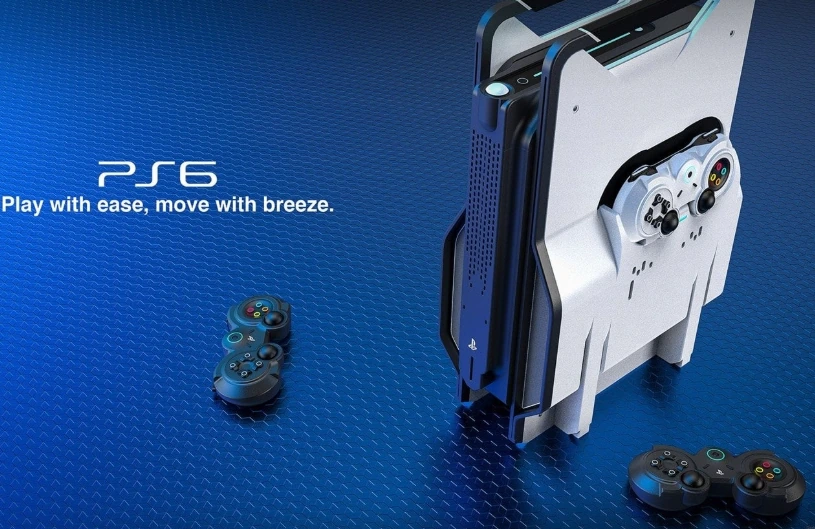
The short answer: nobody knows yet, and that includes Sony. As of mid-2026, the company has not announced a release date or a price for the PlayStation 6, and its own CEO has said as much on the record. If you came here hoping for a confirmed launch day, there isn’t one. What there is, though, is a clear set of signals about why the timeline keeps slipping and roughly when the console is likely to land.
The realistic window most of the industry now points to is 2028, with some predictions stretching to 2029. That’s later than the seven-year cadence Sony has followed for three generations would suggest, and the reason comes down to one stubborn problem: memory.
Should you wait or buy a PS5 now?
If you don’t own a current-gen PlayStation and you’re on the fence, the practical read is simple. The PS6 is at least two years out on the optimistic end, so buying a PS5 today doesn’t mean you’re about to be stranded by a sudden successor. The current generation is shaping up to be the longest in PlayStation history, which means a PS5 bought now has a long runway of support and big releases ahead.
Waiting makes sense only if you’re comfortable holding out until 2028 or later and you specifically want next-gen hardware on day one. The main risk for early adopters isn’t timing, it’s price. Every signal points to a PS6 that costs noticeably more than the PS5 did at launch, so “wait for the PS6” may also mean “pay a premium.” Before you commit to either path, the thing to check is your own patience versus your budget, because those two factors decide this more than any leaked spec sheet.
What Sony actually said
The most concrete update came from Sony’s fiscal year 2025 earnings briefing in May 2026. Asked directly whether rising component costs would affect the PS6, president and CEO Hiroki Totoki confirmed that Sony has not decided when it will launch the console or how it will price it.His phrasing matters. Totoki said the company would like to really observe and follow the situation, and he tied that caution directly to memory supply. Sony expects memory prices to stay high because of the expected short supply in fiscal year 2027. He also floated something more revealing than a delay: Sony is running simulations that include changing its business model entirely, not just absorbing higher costs or passing them to buyers. That hints the PS6 launch could look different from a standard console drop.
Why memory is holding everything up
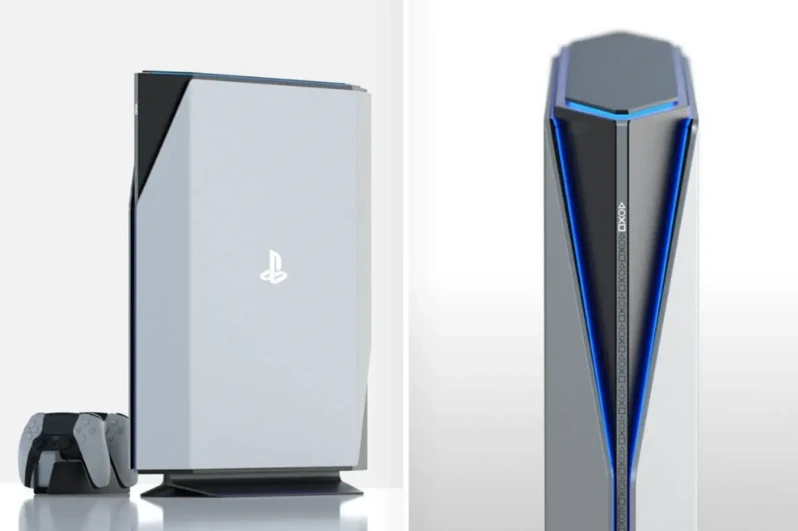
The bottleneck isn’t Sony’s engineering or AMD’s chips. It’s RAM, and the cause sits outside gaming altogether.
The explosion of AI data centers has created enormous demand for high-bandwidth memory, the same broad category of components a modern console depends on. That demand has pushed prices up and supply down across the board, a squeeze the hardware community has started calling “RAMmageddon.” A console is a fixed-price product sold for years, so Sony can’t simply eat a volatile memory cost the way a PC builder passes it to a customer per unit.
This is the core tension. Launch the PS6 into a high-memory-price environment and Sony either takes a loss on every unit or sets a price that scares off buyers. Wait, and the generation stretches even longer. Analysts flagged that the real pain hits in the fiscal year ending March 2027, which is exactly why several of them moved their PS6 estimates from 2027 to 2028 or beyond.
The price problem nobody wants to say out loud
The PS5 launched at $499 for the standard edition in November 2020. The PS6 is highly unlikely to match that.
Leaked figures should be treated as rumor, not fact, but the direction is consistent: one prominent leaker has floated a launch price around $749, and no credible source expects the PS6 to undercut or even match PS5 pricing. The reasoning is straightforward when you connect it to the memory crisis above. Higher component costs flow into the retail price, and consoles have historically been sold near or below cost to win the install base. With that subsidy harder to sustain, the launch number is the figure most likely to surprise people.
What the PS5’s numbers tell us
Sony’s recent sales data explains why it’s being so careful. After the company raised PS5 hardware prices earlier in the cycle, sales fell 46% year-over-year, with 1.5 million units sold in the quarter ending March 31. That brought lifetime PS5 sales to 93.7 million, slightly behind where the PS4 stood at the same point.
That 46% drop is the single most important data point for understanding the PS6 delay. It shows what happens when Sony pushes price up in a soft market: demand reacts hard and fast. Launching an expensive next-gen console into that same sensitivity would be a real gamble, which is exactly why Totoki keeps emphasizing observation over commitment.
The financials aren’t all grim, though. Despite a large one-time loss tied to Bungie, Sony’s operating income from gaming rose 12%, helped by the shift to mostly digital game sales, which carry higher margins than discs. That gives Sony room to be patient rather than rushing hardware to chase revenue.
Where this leaves you
The honest planning assumption right now is a PS6 no earlier than 2028, at a price above $499, with the exact figures gated behind a memory market that won’t ease until at least 2027. Everything firmer than that, specs included, is leak territory until Sony runs a proper reveal showcase, which it hasn’t scheduled.
For most players the move is to enjoy the PS5 generation, which has more life in it than usual, and revisit the PS6 question once Sony actually names a date and a number. The moment that earnings-call language shifts from “we haven’t decided” to a concrete window is the signal worth waiting for. Until then, treat any specific launch date you see as a guess, not a fact.